
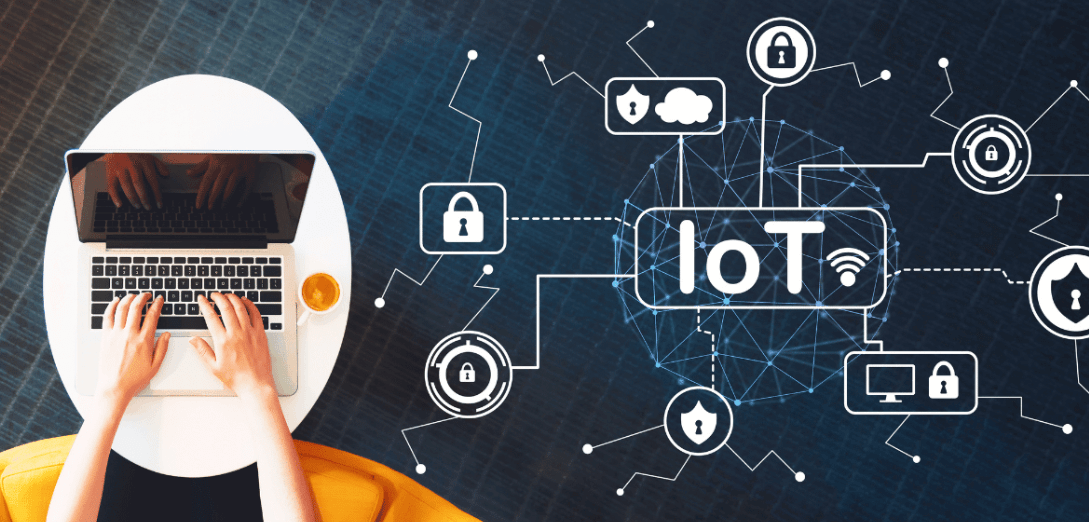
Internet of Things (IoT): Connecting the World Around Us

Introduction
The Internet of Things (IoT) has emerged as one of the most transformative technologies in recent years. By connecting everyday objects and devices to the internet, IoT has made it possible to collect, share, and analyze data in ways that were once unimaginable. Whether it’s your smart thermostat adjusting the temperature while you’re away or wearable devices monitoring your health, IoT is rapidly changing how we interact with the world around us. In this article, we will explore what IoT is, how it works, its applications, and its potential to shape the future.
What is the Internet of Things (IoT)?
The Internet of Things refers to a network of physical objects—devices, vehicles, appliances, and more—that are embedded with sensors, software, and other technologies, allowing them to connect to the internet and exchange data. These “smart” devices are capable of collecting and sharing data, interacting with other devices, and even making decisions based on the information they gather.
For example, a smart refrigerator can monitor the contents inside and send you alerts when you’re running low on groceries. A wearable fitness tracker can monitor your heart rate and steps, then sync the data with your smartphone for analysis. In essence, IoT makes the world smarter by allowing everyday objects to communicate and work together seamlessly.
See also: Internet of Things (IoT): Connecting the World Around Us
How Does IoT Work?
IoT operates through a combination of sensors, connectivity, data processing, and user interfaces:
Sensors and Devices: IoT devices are equipped with sensors that collect data from their environment. These sensors can measure temperature, motion, humidity, location, and more.
Connectivity: The data collected by sensors is transmitted over the internet through Wi-Fi, cellular networks, or other communication protocols like Bluetooth and Zigbee.
Data Processing: Once the data is transmitted, it is processed in the cloud or on local servers. Advanced algorithms analyze the data to extract meaningful insights or trigger actions.
User Interface: The processed data is then presented to the user via an interface, such as a smartphone app, a smart speaker, or a dashboard. In some cases, the devices may take actions automatically without human intervention, such as adjusting the temperature of your home or activating a security system.
Applications of IoT
IoT has widespread applications across various industries and sectors. Let’s explore how it’s being used in different fields:
Smart Homes
One of the most popular applications of IoT is in smart homes, where everyday objects are connected to create a more convenient and efficient living environment. IoT-enabled devices such as smart thermostats (e.g., Nest), smart lighting systems (e.g., Philips Hue), and smart security cameras (e.g., Ring) help homeowners control their environment remotely and automate tasks.
For instance, you can adjust the temperature of your home from anywhere using a smartphone app, or your smart lighting system can automatically turn off when you leave the house. These devices not only offer convenience but also contribute to energy savings and enhanced security.
Healthcare and Wearables
In healthcare, IoT is making significant strides in improving patient care and monitoring. Wearable devices, such as fitness trackers (Fitbit, Apple Watch) and medical devices (smart glucose meters, heart monitors), track vital signs and other health metrics in real time. This data is then sent to healthcare providers, allowing them to monitor patients remotely and intervene when necessary.
For example, IoT devices can alert a doctor if a patient’s heart rate or blood sugar levels go outside of the safe range. This continuous monitoring leads to faster diagnoses, more personalized care, and better outcomes for patients. Moreover, wearable devices empower individuals to track their own health, encouraging healthier lifestyles.
Industrial IoT (IIoT)
In industrial settings, IoT is revolutionizing manufacturing, supply chain management, and operations. Industrial IoT (IIoT) refers to the use of connected devices in factories, warehouses, and production lines. IoT-enabled machines and sensors monitor equipment performance, track inventory, and optimize production processes in real-time.
For example, IoT sensors can detect machine malfunctions before they happen, allowing for predictive maintenance that prevents costly downtime. In warehouses, IoT devices can track the movement of goods, improve inventory management, and even automate the reordering process when stock is low.
Transportation and Smart Cities
IoT is playing a crucial role in the development of smart cities, where connected devices are used to improve urban living. For example, smart traffic lights use IoT sensors to monitor traffic flow and adjust light timings accordingly, reducing congestion and improving traffic efficiency.
Public transportation systems are also benefiting from IoT, with buses and trains equipped with sensors that provide real-time data on their location, speed, and capacity. This information is shared with passengers through apps, allowing them to plan their journeys more effectively.
Moreover, IoT is helping with electric vehicle (EV) charging stations, ensuring optimal placement and tracking the usage of chargers, making the transition to electric transportation smoother.
Agriculture and Smart Farming
The agricultural sector is experiencing a transformation thanks to IoT technologies that enable more efficient and sustainable farming practices. Smart sensors can monitor soil moisture, weather conditions, and crop health, sending real-time data to farmers. This data helps farmers make informed decisions about irrigation, fertilization, and pest control.
IoT devices can also be used to track livestock health, monitor feed levels, and optimize the use of resources, reducing waste and increasing yield. By using IoT technology, farmers can improve productivity, reduce environmental impact, and lower costs.
Retail and Supply Chain
IoT is revolutionizing the retail and supply chain industries by providing businesses with real-time data on customer behavior, inventory, and product demand. Smart shelves equipped with sensors can track product availability and notify store employees when stock levels are low. Retailers can also use IoT to track customer movements in stores and offer personalized recommendations or promotions through smartphones or in-store displays.
In the supply chain, IoT is used for real-time tracking of goods, ensuring that products are delivered on time and are in good condition. Temperature-sensitive goods, such as pharmaceuticals and food products, can be monitored for optimal storage conditions, preventing spoilage and ensuring quality.
Benefits of IoT
Increased Efficiency and Automation
IoT allows devices to work together seamlessly, automating tasks and processes that would traditionally require manual intervention. This increases operational efficiency and reduces human error. For instance, smart buildings automatically adjust lighting and HVAC systems based on occupancy, saving energy and optimizing resources.
Cost Savings
By improving operational efficiency and enabling predictive maintenance, IoT can help businesses reduce costs. In industrial settings, for example, IoT-enabled equipment can detect potential issues before they lead to expensive breakdowns, while in the home, IoT devices help conserve energy, leading to lower utility bills.
Enhanced Decision Making
IoT provides businesses and individuals with real-time data, enabling them to make informed decisions quickly. In healthcare, doctors can adjust treatment plans based on the data received from IoT-enabled medical devices. In manufacturing, managers can use data from IoT sensors to adjust production processes and ensure optimal efficiency.
Improved Customer Experiences
IoT allows businesses to offer personalized and seamless customer experiences. In retail, for instance, smart devices can track customer preferences and deliver personalized recommendations. In transportation, passengers can enjoy real-time updates on delays, routes, and capacity, improving the overall travel experience.
Challenges and Considerations of IoT
Security and Privacy
One of the biggest challenges of IoT is ensuring the security of connected devices and the data they generate. As more devices become connected, the risk of cyberattacks increases. Vulnerabilities in IoT devices can be exploited by hackers to gain unauthorized access to personal or business data. It is crucial for IoT manufacturers to implement strong security measures, such as encryption, authentication, and regular software updates.
Data Management and Analysis
IoT generates an enormous amount of data, which needs to be processed and analyzed in real-time. Managing and analyzing this data can be challenging, especially for businesses that lack the infrastructure or expertise to handle large datasets. Cloud computing and AI-powered analytics platforms are helping businesses manage and derive insights from IoT data, but there is still a need for robust systems to ensure efficient data processing.
Interoperability
With a growing number of IoT devices from different manufacturers, ensuring interoperability between devices can be a challenge. Devices must be able to communicate with each other seamlessly, regardless of their brand or platform. Standardizing communication protocols and promoting open platforms can help resolve this issue and enable greater integration between devices.
The Future of IoT
The future of IoT is bright, with continued advancements in connectivity, AI, and machine learning driving further innovation. With the rise of 5G networks, IoT devices will benefit from faster speeds, lower latency, and more reliable connections, enabling real-time data processing and analysis.
As IoT continues to evolve, we can expect to see even more intelligent and autonomous systems, from self-optimizing supply chains to fully automated smart homes and cities. The potential applications of IoT are virtually limitless, and as the technology matures, it will become an integral part of our daily lives.
Conclusion
The Internet of Things has already begun to reshape the world around us, connecting devices and systems to make life more efficient, convenient, and personalized. As IoT technology continues to advance, its impact will grow even more profound, with applications across healthcare, agriculture, manufacturing, and beyond. While challenges remain in terms of security, data management, and interoperability, the benefits of IoT are clear, and its potential to improve both business operations and everyday life is immense.


