
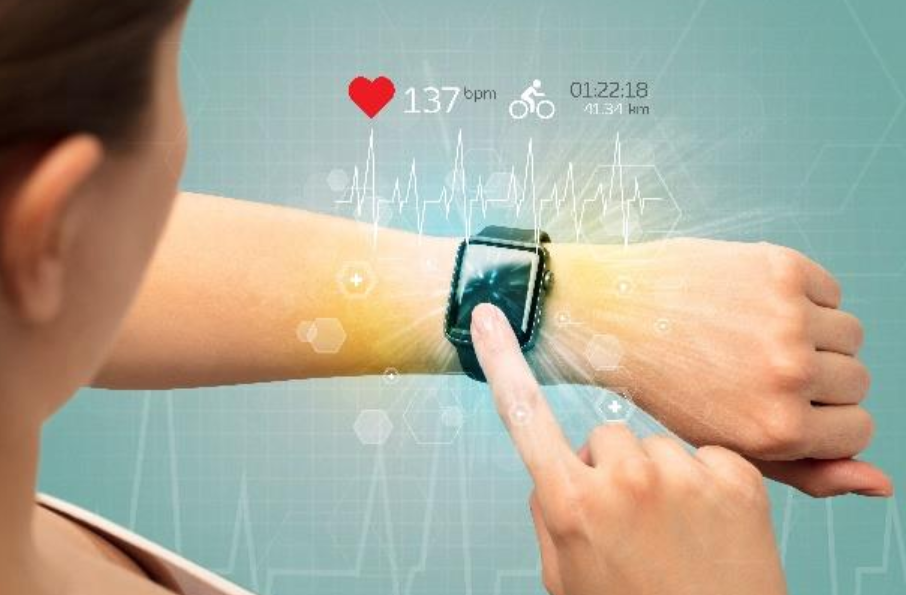
The Role of Wearable Technology in Health and Fitness

Introduction
Wearable technology has rapidly evolved from a niche market to a mainstream phenomenon, revolutionizing how we track and improve our health and fitness. From fitness trackers to smartwatches, these devices collect a vast array of data, enabling individuals to monitor everything from steps taken to heart rate, sleep patterns, and even stress levels. As more people turn to wearables for health insights, the role of wearable technology in health and fitness continues to grow, with features like QR code scanning enhancing accessibility and data sharing. In this article, we will explore the role of wearable technology in modern health and fitness, its benefits, the challenges it faces, and its future potential.
What is Wearable Technology?
Wearable technology refers to electronic devices that are designed to be worn on the body. These devices are equipped with sensors and other components that allow them to monitor specific health metrics, collect data, and communicate with other devices, such as smartphones and computers. Wearables can range from fitness trackers and smartwatches to more specialized devices like heart rate monitors, sleep trackers, and smart clothing.
See also: The Role of Wearable Technology in Health and Fitness
Some of the most popular wearables on the market today include:
Fitness Trackers: Devices like Fitbit, Garmin, and Xiaomi Mi Band that track physical activity, steps, calories burned, and sleep patterns.
Smartwatches: Watches like the Apple Watch, Samsung Galaxy Watch, and Fossil Hybrid HR that offer additional features like notifications, calls, and music control, in addition to fitness tracking.
Smart Clothing: Garments embedded with sensors to monitor biometrics like heart rate, respiratory rate, and muscle activity.
Medical Wearables: Devices such as continuous glucose monitors (CGMs) and smart ECG monitors that help individuals with chronic conditions manage their health more effectively.
How Wearable Technology Works
Wearables use a combination of sensors, connectivity, and data processing to collect and interpret health data. Some of the most common sensors found in wearable devices include:
Accelerometers: Measure movement and activity levels, often used to count steps, track physical activity, and measure sleep patterns.
Heart Rate Sensors: Typically use optical sensors (like photoplethysmography) to monitor changes in blood volume, which is used to track heart rate and monitor cardiovascular health.
GPS: Tracks location and distance, often used for outdoor activities like running, cycling, and hiking.
Temperature Sensors: Measure skin temperature and help detect changes in body temperature or stress.
Electrocardiogram (ECG): Monitors electrical activity in the heart, providing insights into heart health.
Wearables communicate this data via Bluetooth or Wi-Fi to a smartphone or cloud-based system, where the data can be analyzed and presented in user-friendly dashboards or apps. These apps provide insights into trends and patterns, allowing users to track their health and fitness progress over time.
Benefits of Wearable Technology in Health and Fitness
Improved Health Monitoring and Preventative Care
Wearable technology allows individuals to continuously monitor key health metrics, including physical activity, heart rate, sleep quality, and even blood oxygen levels. By tracking these metrics in real-time, users can gain valuable insights into their health and make more informed decisions about lifestyle changes or interventions.
For example, a person might use a fitness tracker to monitor their heart rate throughout the day. If the tracker detects abnormal spikes in heart rate, the user can take action by consulting a healthcare professional to rule out potential cardiovascular issues.
Moreover, wearables like continuous glucose monitors (CGMs) provide real-time data for people with diabetes, allowing them to manage their blood sugar levels more effectively. The ability to monitor these vital signs continuously helps users take preventative measures before health issues become serious.
Enhanced Fitness Tracking and Performance Optimization
Wearables have become essential tools for individuals looking to optimize their fitness routines. Fitness trackers and smartwatches provide data on a variety of metrics such as steps, calories burned, distance traveled, and active minutes. This information is valuable for users trying to meet specific fitness goals, whether it’s increasing their activity levels, losing weight, or improving athletic performance.
For athletes, wearables offer performance optimization features, including VO2 max estimation, cadence, stride length, and lactate threshold—data that is usually reserved for professional athletes with access to high-end equipment. These advanced metrics help athletes monitor their training load and recovery, making it easier to avoid overtraining and reduce the risk of injury.
Motivation and Accountability
One of the biggest advantages of wearable fitness technology is its ability to keep users motivated and accountable. Many wearables include goal-setting features that allow users to set daily, weekly, or monthly goals for steps, active minutes, or other fitness-related metrics. These goals can be customized to fit the user’s fitness level and personal preferences.
In addition, many wearables incorporate social features that allow users to share their progress with friends or join challenges. This sense of community and competition can boost motivation, encouraging users to stay active and reach their fitness targets.
Integration with Health and Wellness Ecosystems
Wearables are increasingly integrated with other health and wellness apps, allowing users to centralize their health data in one place. Many wearables sync with apps like Apple Health, Google Fit, and third-party apps for nutrition, meditation, and sleep tracking. This integration provides a holistic view of the user’s health, making it easier to track progress across multiple aspects of wellness.
Additionally, some wearables allow for integration with healthcare providers, enabling remote monitoring of patients with chronic conditions like heart disease or diabetes. This integration facilitates more personalized care and faster interventions when health issues arise.
Real-Time Feedback and Alerts
Wearable devices provide real-time feedback to users, alerting them about changes in their health status. For example, if a wearable detects that the user’s heart rate exceeds a safe threshold, it may send an alert to notify the user to take action. Similarly, some devices can provide feedback on exercise form, helping users avoid injuries during workouts.
Wearables can also send reminders for hydration, stretching, or medication adherence, making them valuable tools for maintaining overall health.
Challenges and Limitations of Wearable Technology
Accuracy and Reliability
While wearables provide valuable data, the accuracy of some sensors may not always be perfect. For instance, fitness trackers may underestimate calorie burn or overestimate step count. Similarly, heart rate monitors may not be as accurate during intense exercise or when the user is wearing the device incorrectly.
Despite these limitations, wearables can still provide valuable insights into general trends and behaviors, but users should be aware of potential inaccuracies.
Battery Life
Another challenge for wearable technology is battery life. While many devices can last for several days on a single charge, some wearables, especially those with advanced features like GPS and continuous heart rate monitoring, require more frequent charging. Manufacturers are continually working on improving battery life, but this remains a key consideration for consumers.
Privacy and Data Security
Since wearables collect sensitive health data, privacy and data security are significant concerns. Many wearables sync data with cloud-based apps, raising the risk of data breaches or unauthorized access. Consumers must ensure that they are using secure devices and services that comply with data protection regulations.
To address privacy concerns, manufacturers are implementing better encryption and data anonymization measures, but users should still be cautious about sharing personal health data with third-party apps.
Cost
While there are affordable options, many high-end wearable devices come with a hefty price tag. Fitness enthusiasts and athletes may be willing to invest in premium devices, but for many individuals, the cost of wearables may be a barrier to entry.
The Future of Wearable Technology
The future of wearable technology in health and fitness is incredibly promising. As sensors become more advanced and integrated into everyday clothing and accessories, the range of data that can be collected will increase. For example, we may see wearables capable of monitoring even more health parameters, such as hydration levels, body temperature, and muscle fatigue.
Moreover, the integration of artificial intelligence (AI) and machine learning (ML) with wearable devices will allow for smarter health insights, personalized recommendations, and proactive health management. AI could analyze the data collected by wearables and offer actionable advice tailored to the individual, improving outcomes for both fitness enthusiasts and those with chronic conditions.
Conclusion
Wearable technology has already made a significant impact on the health and fitness industry, helping individuals track their activity, improve performance, and make more informed decisions about their health. While challenges remain—such as data accuracy, privacy concerns, and battery life—wearables continue to evolve, offering increasingly sophisticated features and capabilities. As technology improves, wearables will likely become even more integrated into our daily lives, empowering users to take control of their health and wellness in ways that were once thought impossible.


