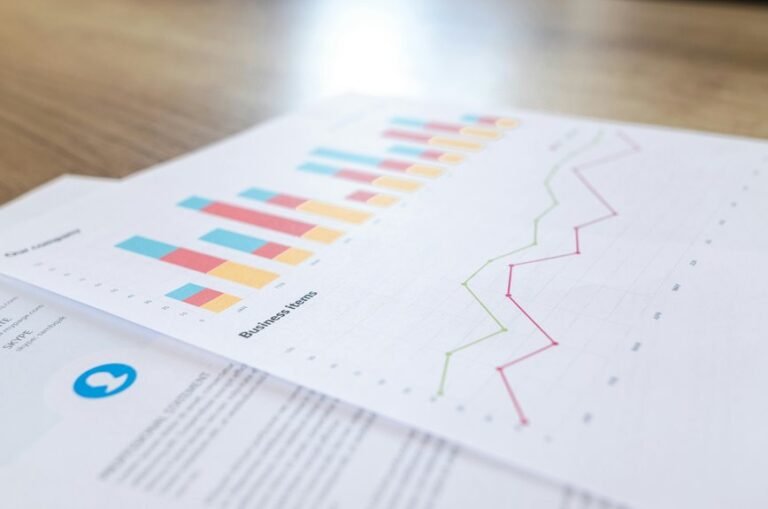
Data Velocity Dashboard: 672922608, 120277019, 18008768083, 120695003, 2130187210, 2033089190

The Data Velocity Dashboard represents a significant advancement in real-time data analytics. It streamlines the processing and visualization of complex datasets, enabling organizations to make swift, informed decisions. Its customizable features enhance user engagement and adaptability across various sectors. As businesses increasingly rely on data-driven strategies, understanding the implications and applications of this dashboard is crucial for maintaining a competitive advantage. What challenges and opportunities might arise as organizations integrate such tools into their operations?
Understanding Data Velocity and Its Importance
Data velocity, a critical dimension of the data ecosystem, refers to the speed at which data is generated, processed, and analyzed.
This rapid flow influences data processing efficiency and impacts data storage solutions.
Maintaining high data velocity is essential for organizations seeking to leverage real-time insights and enhance decision-making capabilities, ultimately fostering an environment where freedom in data utilization can thrive.
Features of the Data Velocity Dashboard
The effectiveness of a data velocity dashboard hinges on its ability to provide real-time insights that align with the rapid pace of data generation and processing.
Key features include dashboard customization options that enable users to tailor visual representations to their needs, enhancing data visualization.
These elements ensure that stakeholders can swiftly interpret complex datasets, fostering informed decision-making and agility in dynamic environments.
Real-World Applications and Case Studies
While numerous industries generate vast amounts of data daily, the real-world applications of a data velocity dashboard reveal its transformative potential.
Case studies highlight its effectiveness in sectors such as finance, where real-time analytics enhance decision-making, and healthcare, where patient data monitoring improves outcomes.
These applications showcase how data velocity dashboards empower organizations to harness data swiftly, fostering innovation and strategic agility.
Future Trends in Data Analytics and Business Intelligence
As organizations increasingly prioritize agility and responsiveness, emerging trends in data analytics and business intelligence are set to reshape the landscape.
Predictive analytics will enhance decision-making by forecasting future trends, while machine learning algorithms will drive automation and uncover insights from complex datasets.
These advancements empower businesses to adapt swiftly, fostering a culture of innovation and strategic foresight in a data-driven world.
Conclusion
In conclusion, the Data Velocity Dashboard stands as a pivotal platform for proficient data processing and presentation. By providing powerful, personalized insights, it propels organizations towards progressive decision-making and strategic success. As the demand for dynamic data-driven solutions continues to rise, this dashboard exemplifies the essential evolution of analytics. Ultimately, embracing such innovative instruments will ensure enterprises remain agile, adaptive, and ahead in an increasingly competitive landscape, fostering future-focused frameworks for sustainable growth.