
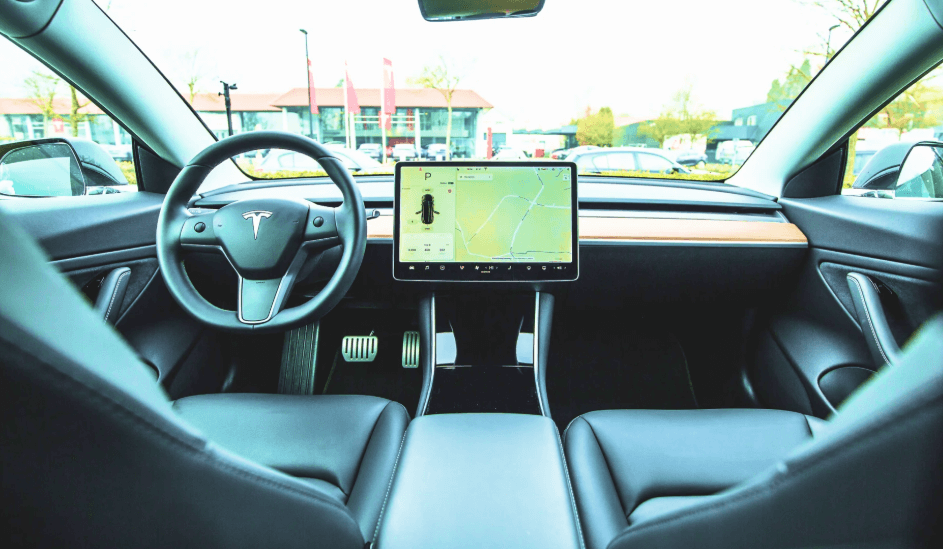
The Future of Autonomous Vehicles and Self-Driving Cars

Introduction
The future of transportation is rapidly changing, and one of the most exciting innovations on the horizon is the development of autonomous vehicles (AVs) or self-driving cars. These vehicles, which use a combination of sensors, cameras, machine learning, and artificial intelligence (AI), have the potential to transform how we travel, commute, and even live. In this article, we will explore what autonomous vehicles are, how they work, the benefits and challenges they present, and the role they will play in shaping the future of transportation.
What are Autonomous Vehicles?
Autonomous vehicles (AVs) are vehicles capable of navigating and driving themselves without human intervention. These vehicles rely on a variety of technologies, including LiDAR (Light Detection and Ranging), radar, cameras, and AI-based software, to understand their environment, make decisions, and control the vehicle.
AVs are typically classified into levels based on their level of automation, as defined by the Society of Automotive Engineers (SAE). The levels range from Level 0 (no automation) to Level 5 (full automation).
Level 1: Driver assistance features like cruise control.
Level 2: Partial automation (e.g., Tesla Autopilot).
Level 3: Conditional automation (e.g., the car can drive itself in certain conditions but still requires human intervention).
Level 4: High automation (e.g., the car can drive itself within certain environments like a city or highway but may require human intervention in complex conditions).
Level 5: Full automation (no human intervention required).
Currently, most AVs on the road are at Level 2 or Level 3 automation, with companies like Tesla, Waymo, and Uber testing more advanced systems with the goal of reaching Level 5.
See also: The Future of Autonomous Vehicles and Self-Driving Cars
How Do Autonomous Vehicles Work?
Autonomous vehicles operate using a combination of hardware and software. The main components of AVs include:
Sensors and Cameras
AVs are equipped with multiple sensors, including LiDAR, radar, and cameras, that allow the vehicle to perceive its environment. These sensors help the vehicle detect objects, pedestrians, other vehicles, traffic signals, road signs, and more.
LiDAR: Uses lasers to create a 3D map of the environment, helping the vehicle understand the distance and shape of objects around it.
Radar: Uses radio waves to detect the speed and position of objects, especially in low visibility conditions like rain or fog.
Cameras: Provide visual information, detecting lane markings, traffic lights, signs, and pedestrians.
AI and Machine Learning
The data collected by sensors is processed by the vehicle’s onboard computer, which uses machine learning and AI algorithms to make decisions. This allows the vehicle to navigate complex environments, plan routes, and react to unexpected situations, such as a pedestrian crossing the street or another vehicle braking suddenly.
AI systems also learn from past experiences, improving their decision-making over time. For example, the vehicle’s AI might learn to handle certain driving conditions, such as road construction, better based on previous data.
Connectivity and Mapping
Self-driving cars rely on highly detailed maps and real-time data to navigate the roads safely. These maps are updated continuously, with information about traffic patterns, road conditions, construction zones, and accidents. Advanced connectivity systems, such as 5G, allow autonomous vehicles to communicate with other vehicles (vehicle-to-vehicle or V2V) and infrastructure (vehicle-to-infrastructure or V2I), improving coordination and safety.
Benefits of Autonomous Vehicles
Improved Safety
One of the most significant advantages of autonomous vehicles is their potential to reduce traffic accidents. Human error is responsible for the vast majority of accidents, and self-driving cars have the potential to significantly reduce this risk. AVs are programmed to follow traffic rules, avoid distractions, and react to dangerous situations faster than human drivers.
In addition, AVs can communicate with each other, reducing the chances of accidents caused by misunderstandings or mistakes between drivers. For example, if one vehicle suddenly brakes, nearby AVs can receive real-time data and adjust their speed accordingly, preventing collisions.
Increased Mobility for All
Autonomous vehicles could provide enhanced mobility for individuals who are unable to drive due to age, disability, or other factors. Seniors and people with disabilities, for example, could regain their independence and mobility, improving their quality of life.
Additionally, AVs can help reduce traffic congestion by improving traffic flow and optimizing routes. In the future, self-driving cars could communicate with traffic systems to adjust speeds and manage traffic lights, leading to more efficient travel.
Fuel Efficiency and Environmental Impact
Self-driving cars can optimize their driving behavior to improve fuel efficiency. AVs can make smoother acceleration and braking decisions, resulting in less fuel consumption. They can also drive more efficiently in traffic, reducing stop-and-go driving, which is a major contributor to fuel waste.
Moreover, autonomous vehicles are often paired with electric vehicles (EVs), contributing to a reduction in carbon emissions and promoting environmental sustainability. As electric vehicle technology continues to advance, the combination of autonomous driving and electric power will play a key role in reducing transportation-related pollution.
Convenience and Reduced Commuting Time
One of the most exciting benefits of AVs is the potential to reduce the stress and time spent on commuting. With self-driving cars, passengers could relax, work, or socialize during their commute instead of focusing on driving. AVs could also allow for more flexible travel, with ride-sharing services providing convenient transportation options without the need for ownership.
Reduced Parking Demand
Autonomous vehicles can drop passengers off at their destination and then park themselves in the most efficient location. This reduces the need for parking spaces in city centers and crowded areas. It also opens up the potential for more pedestrian-friendly spaces, as parking lots and garages can be re-purposed for other uses, such as housing, parks, or commercial spaces.
Challenges and Barriers to Widespread Adoption
Regulatory and Legal Challenges
As autonomous vehicles become more common, regulatory and legal frameworks need to be developed to govern their use. This includes establishing safety standards, insurance policies, traffic laws, and liability in case of accidents. Governments and international organizations will need to work together to create laws that address the complexities of self-driving cars, ensuring public safety while encouraging innovation.
Technological Limitations
Despite significant advances in autonomous vehicle technology, there are still challenges to overcome. Current self-driving systems struggle with certain driving conditions, such as inclement weather (rain, snow, fog) and complex urban environments with unpredictable pedestrian behavior. For AVs to become fully reliable, they must be able to handle a wide variety of conditions and make decisions in real-time based on incomplete or ambiguous data.
Cybersecurity Risks
As autonomous vehicles rely heavily on connected technology, they are vulnerable to cyberattacks. Hackers could potentially take control of an autonomous vehicle, causing accidents or disruption to the transportation network. Ensuring that AVs are secure from cyber threats is crucial before they can be adopted on a large scale.
Ethical Dilemmas
Autonomous vehicles face ethical dilemmas when it comes to decision-making in emergency situations. For example, if an AV encounters an unavoidable accident scenario, it must decide how to act—should it prioritize the safety of its passengers or minimize harm to pedestrians? These ethical questions have no easy answers and will need to be addressed by lawmakers, engineers, and society at large.
The Future of Autonomous Vehicles
The future of autonomous vehicles holds great promise. As technology improves, we can expect fully autonomous cars to become more reliable, efficient, and integrated into our transportation systems. Advances in AI, sensor technology, and 5G connectivity will help overcome current limitations, making self-driving cars more adaptable and responsive in a variety of conditions.
Moreover, the widespread adoption of autonomous vehicles could lead to the development of new business models, including mobility-as-a-service (MaaS), where people use AVs on-demand rather than owning them. This shift could also impact urban planning, reducing the need for parking spaces and freeing up land for other purposes.
Conclusion
Autonomous vehicles are on the brink of transforming the transportation industry and society as a whole. The benefits of AVs—such as improved safety, increased mobility, environmental sustainability, and convenience—are substantial. However, significant challenges remain, including technological limitations, regulatory hurdles, and ethical dilemmas. As the industry progresses, autonomous vehicles are expected to play a pivotal role in reshaping the way we travel, paving the way for safer, more efficient, and more accessible transportation for everyone.


